Why Intergenerational Connections Are Important
When older adults and children share life together, something remarkable happens — loneliness fades, empathy grows, and communities become healthier for everyone. Here is why Porchaven™ is built around this belief.
Why Intergenerational Connections Are Important
We believe that strong intergenerational connections are important for individuals and communities — and that the knowledge, wisdom, and energy passed between generations is a vital part of building a healthy, sustainable, and deeply human way of life together.
Here are some of the ways those connections matter most.
For Older Adults
Combats loneliness and depression. The sense of fun and excitement that children bring into shared spaces has a measurable effect on the emotional wellbeing of older residents — lifting spirits and reducing isolation.
Encourages conversation and connection. Many older people find that regular interaction with younger generations makes them more comfortable, more talkative, and more engaged with the world around them.
Creates meaningful exchange. Older people pass on knowledge and wisdom earned through decades of lived experience. Children offer creativity, energy, and fresh ideas. Both generations are richer for the exchange.
Reaches those without grandchildren. Not every older adult has grandchildren nearby — or at all. Intergenerational community design ensures that no one misses out on that irreplaceable bond.
Combats age-based stigma. Regular, natural contact between generations dissolves the stereotypes that distance creates. Familiarity replaces fear, and respect replaces indifference.
Invites physical activity. Children's energy is contagious. Older adults who spend time with younger neighbors tend to move more, which builds strength and mobility over time.
Restores a sense of purpose. As researchers Morita and Kobayashi (2013) found: "When older adults are given meaningful roles as mentors or role models, they are reminded of their ability to contribute to society. Intergenerational programs provide the opportunity to fulfil basic human needs and reintegrate older adults into society."
For Children
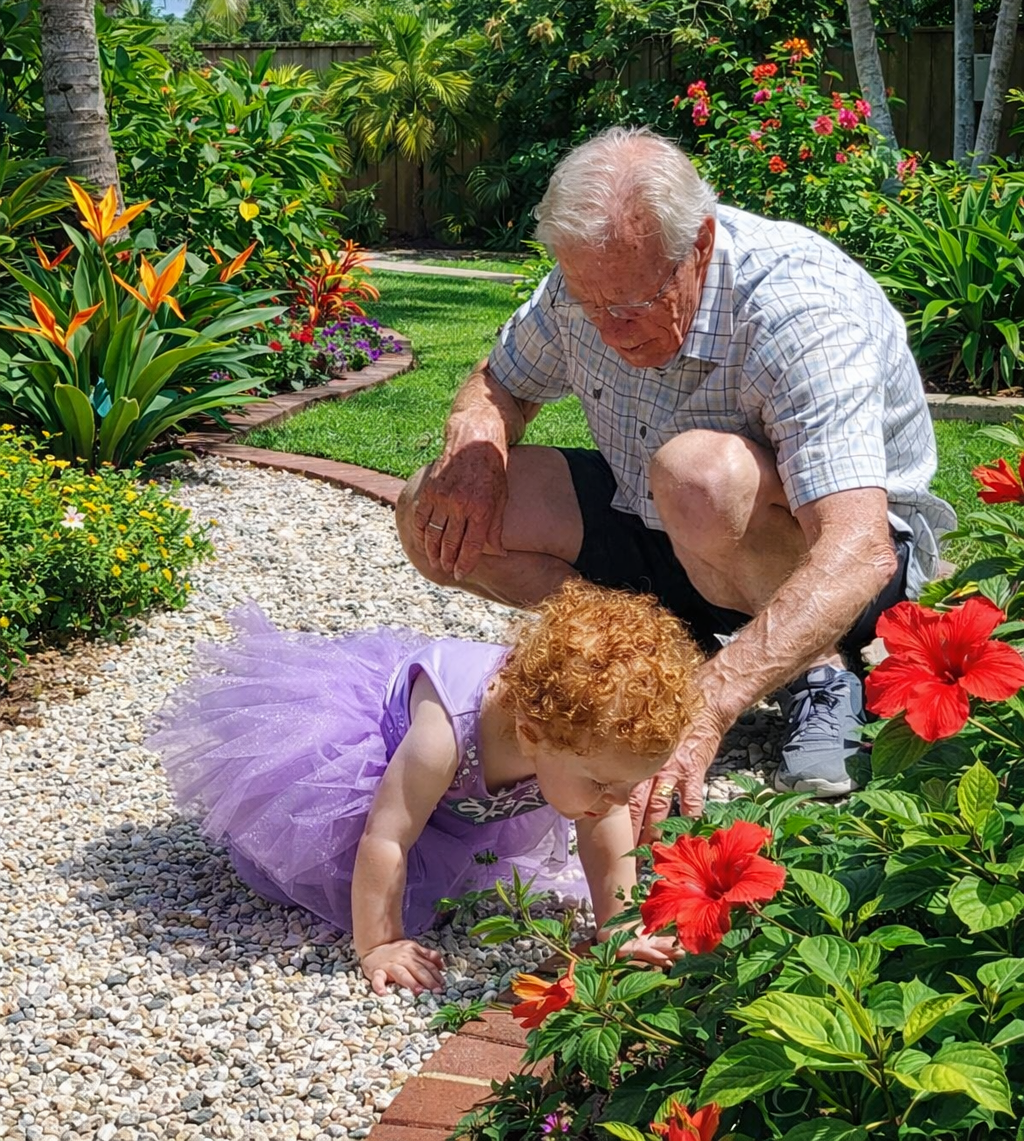
Broadens their understanding of life. Children who spend time with older adults learn about different life stages, local history, and the full arc of a human life — knowledge no classroom can fully provide.
Builds empathy and open-mindedness. Parents consistently report that their children speak more positively about aging and disability after regular intergenerational contact. Kindness becomes a habit, not a lesson.
Reaches children without nearby grandparents. Geographic distance separates many families. Intergenerational community design ensures every child has access to the warmth and wisdom of older adults.
Strengthens communication and social skills. Research shows that intergenerational activities improve children's reading, communication, and social development — along with their confidence and self-esteem.
Creates positive role models. Older neighbors who show up consistently, share stories, and invest in children's lives become some of the most formative influences in those children's development.
Nurtures gentleness and compassion. Parents have noticed their children becoming gentler — with pets, with siblings, with strangers — after spending meaningful time with older adults. Empathy, once awakened, spreads.
For Society
Bridges a growing generational divide. As United for All Ages noted in January 2020: "Britain has been described as one of the most age-segregated countries in the world. This can cause loneliness and exclusion, lack of trust, ageism, and division between the generations." The same is true across much of the Western world. Designing communities where generations naturally mix is one of the most powerful antidotes we have.
Benefits parents too. When children engage with older neighbors, parents witness the behavioral changes firsthand — and often find themselves drawn into meaningful conversations with older adults, hearing stories of local history and community that connect them to something larger than their own household.
Shapes the next generation of citizens. The social experiences children have early in life shape how they engage with people for the rest of their lives. When children grow up practicing empathy, patience, and compassion — qualities that intergenerational connection naturally cultivates — they carry those qualities into adulthood, and all of society benefits.
At Porchaven™, intergenerational connection isn't a program or an event. It's woven into the architecture, the commons, the Neighbor Circles, and the rhythms of daily life. We believe that when generations live alongside one another — truly alongside, not just nearby — something essential is restored.
That's what we're building.