The Benefits of Nature-Based Connections
In modern urban environments, nature-deficit disorder affects children and the elderly most severely. Discover how reintegrating nature experiences into daily life transforms wellbeing across generations — and why Porchaven™ is designed with this in mind.
The Benefits of Nature-Based Connections
In modern urban environments, nature-deficit disorder affects children and the elderly most severely. It is instigated by the increasing separation of older and younger generations from nature experiences. Children spend more time in front of screens and in classrooms. The elderly are increasingly resigned to their homes or care facilities — which too often means isolation from the natural world.
At Porchaven™, we believe that reconnecting people with nature — and with each other — is not a luxury. It is a foundation of healthy community life.
Here are some of the most meaningful benefits of reintegrating nature experiences into the lives of urban dwellers, particularly children and older adults.
Growing Food, Growing Bonds
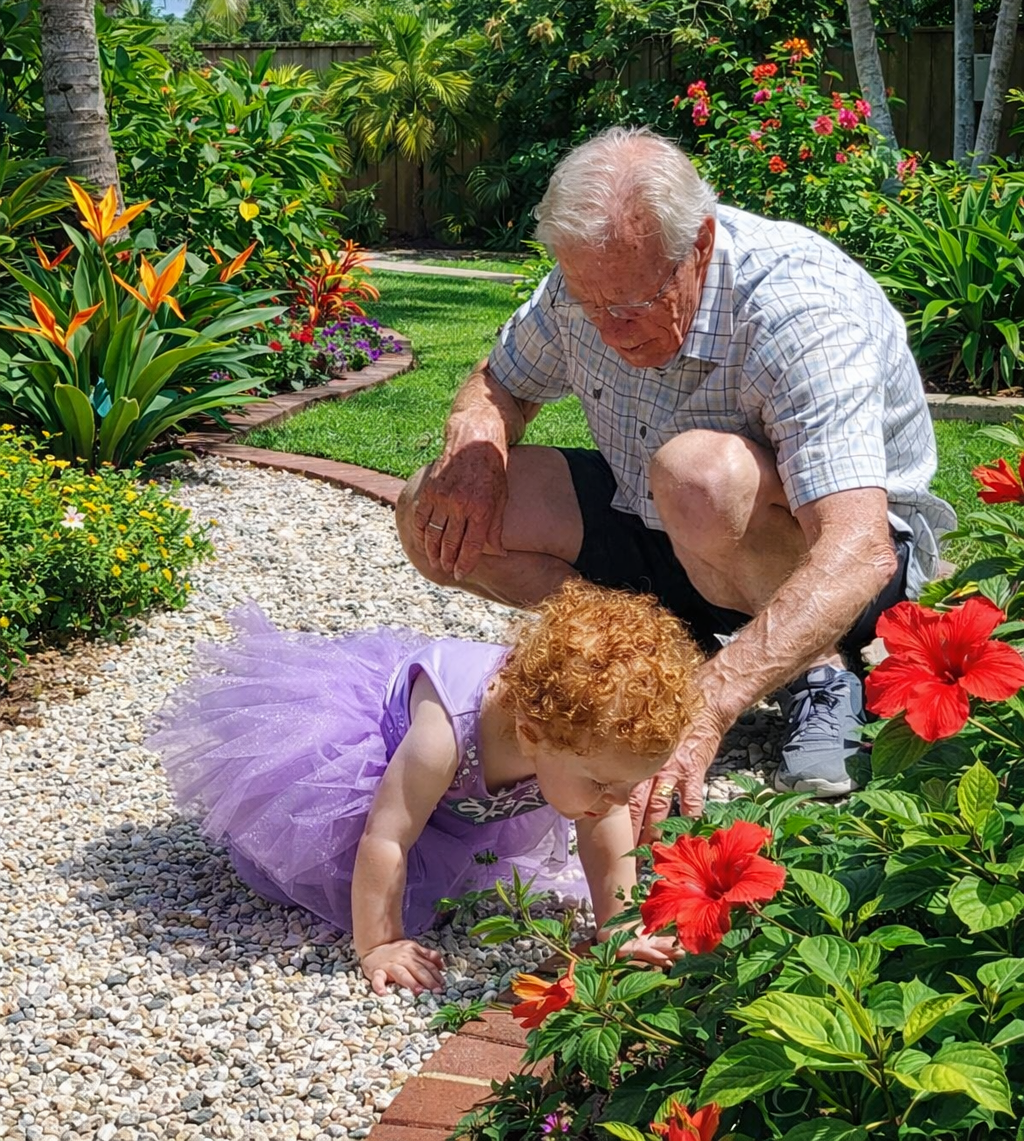
Children who learn to grow food and nurture plants gain a valuable skillset alongside something harder to measure: care, confidence, and a sense of agency over their own lives. For older adults, these same activities benefit memory and offer a natural opportunity to pass knowledge to younger generations.
One study found that older people's "roots, identity and good memories were closely linked to experiences and a life lived in nature and the outdoor environment" (Johansen and Gonzalez, 2018). Older residents can share the excitement of being involved with the natural world — passing that wonder on to the younger generation who will become caretakers of their environments.
Keepers of Forgotten Knowledge
As researchers have noted: "Gardeners' cultivation habits can become accommodated to 'fashionable' vegetables sold by global commercial providers in supermarkets. Given the renewed interest in seasonal and local food, however, it appears that older generations have retained knowledge about so-called forgotten vegetables and act as personal 'seed banks' for younger gardeners" (Hake, 2017).
Older adults carry irreplaceable knowledge — about heirloom varieties, seasonal rhythms, and the quiet wisdom of working with the land. Intergenerational garden spaces give that knowledge a living home.
Reconnecting Children with Where Food Comes From
Learning to grow fruit, vegetables, and herbs gives children a deeper understanding of natural systems and reconnects them with the journey from soil to plate. Children living in cities often have very little concept of how food grows — or all the processes involved in getting it to the table.
Growing their own food exposes children to local, seasonal, organically grown vegetables. They gain a deeper appreciation for healthy food that benefits rather than degrades nature. These concepts can be hard to teach in a classroom, where the problems and solutions can feel distant and out of reach. Growing food gives children agency — in their health, and in their environmental impact. Learning about nature through direct experience instils a sense of ecological stewardship that benefits both people and planet.
A Full-Sensory Experience
Older and younger people can share the experience of a beautiful outdoor space rich with multi-sensory stimulus — smelling the flowers, listening to the bees and birds, feeling their fingers in the soil, tasting fresh herbs, and taking in the gorgeous array of colors and biodiversity around them.
Nature experiences reconnect us with our bodies and our senses. They contribute to a healthy and active lifestyle and a stronger sense of self — for every generation.
At Porchaven™, nature is not an amenity. It is woven into the design of every Haven, every commons, every shared garden and trail. We believe that when people of all ages are given the chance to grow things together — to get their hands in the soil side by side — something essential is restored in all of them.
That is the community we are building.